
Introducing the State of AI Coding 2026
As generative AI becomes an industry baseline for software production, engineering teams are facing a paradox where visually high-quality machine-authored code leads to a significa…
As generative AI becomes an industry baseline for software production, engineering teams are facing a paradox where visually high-quality machine-authored code leads to a significa…

Effective Kubernetes observability requires unified visibility across metrics, logs, and traces to reduce incident response times and manage the dynamic nature of clusters. This gu…

Global SLOs can create a false sense of security by masking critical performance issues within specific regions or customer segments. To achieve true reliability, organizations sho…
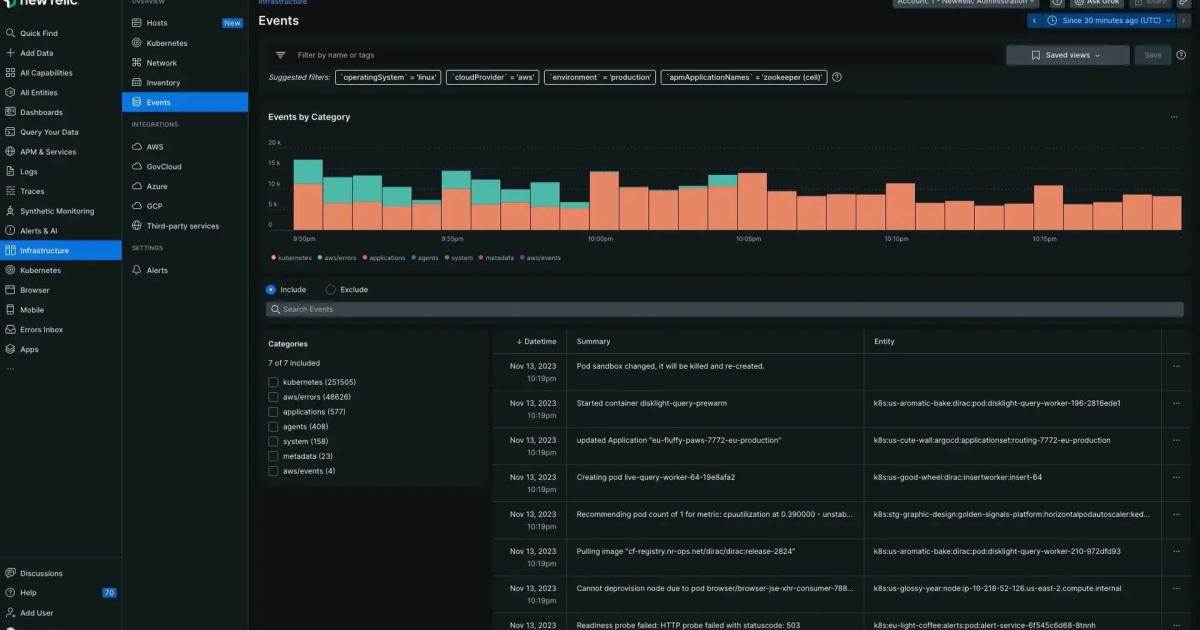
This guide helps DevOps teams evaluate infrastructure monitoring tools by prioritizing unified telemetry, total cost of ownership, and the reduction of alert fatigue. It compares l…
.png?h=138020b8&itok=N2s2P9SY)
Fragmented telemetry across disconnected monitoring tools creates visibility blind spots that increase Mean Time to Repair (MTTR) and complicate root-cause identification. To comba…
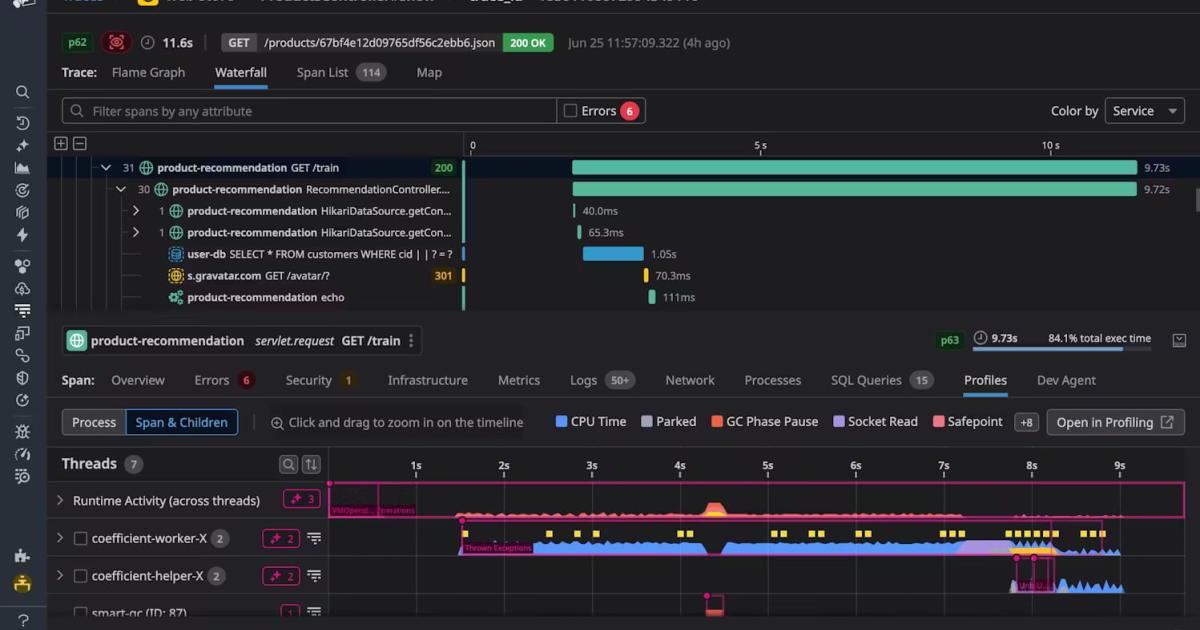
The article argues that the key to faster incident resolution is unifying existing metrics, logs, and traces into a single, integrated view rather than simply adding more tools to …
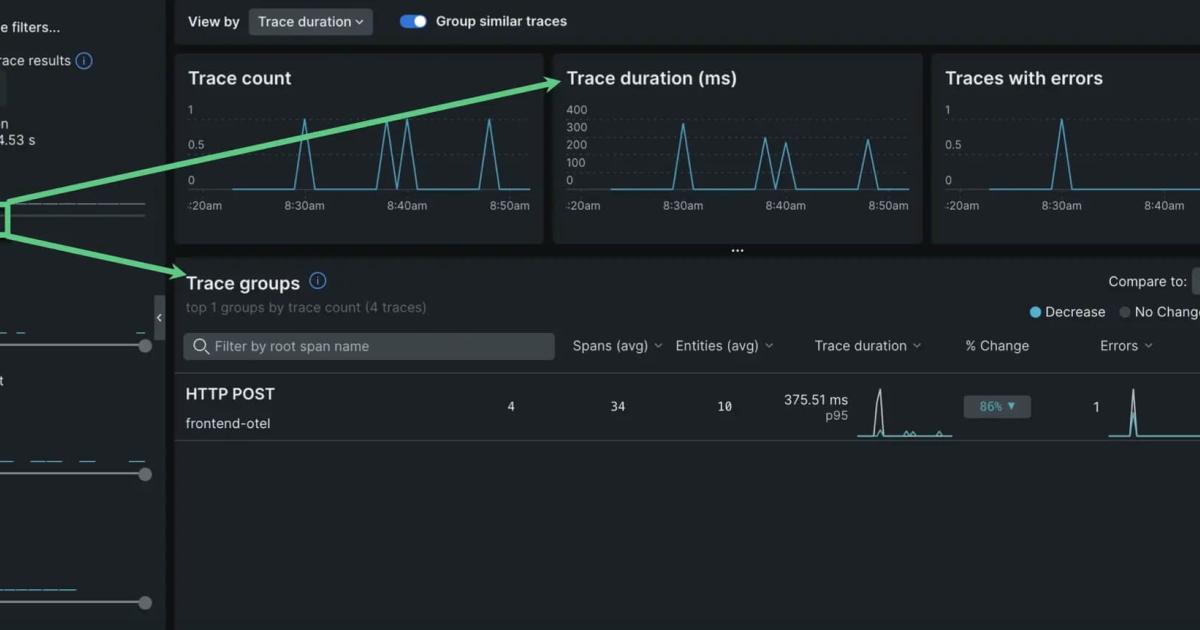
Distributed tracing tools are essential for maintaining visibility and reducing troubleshooting time in complex microservices architectures by tracking single requests as they move…

While enterprises often focus on selecting powerful LLMs, the success of generative AI depends heavily on the performance and reliability of the complex application layers supporti…

To effectively reduce Mean Time to Repair (MTTR), organizations must move beyond focusing solely on resolution and instead address the time-consuming identification phase of incide…

Azure IaaS employs a defense-in-depth architecture paired with Microsoft's Secure Future Initiative principles to provide continuous, layered protection across hardware, compute, a…

This article emphasizes that effective network monitoring isn’t about collecting *more* data, but about creating *clarity* and enabling faster incident resolution. It advocates for…

Modern network monitoring needs to move beyond simply collecting data to providing *context* for faster incident resolution in today’s complex, distributed systems. Teams are overw…